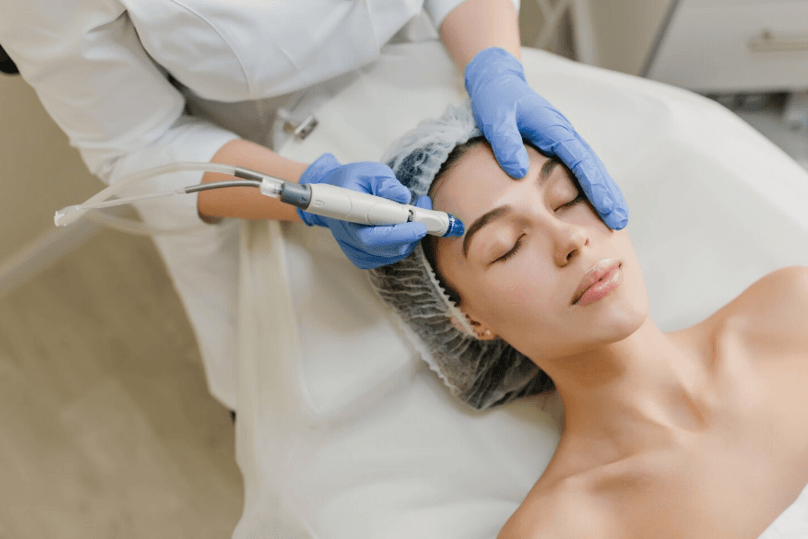

Walk into any decent medical spa around Long Island, and you’ll get hit with a wall of options before you’ve even sat down. Botox, fillers, microneedling, RF this, PRF that. CO2 lasers, EmFace, Morpheus, GLP-1, hormone replacement, IV drips, peels. Half the names are acronyms, a third have trademark symbols, and most of them are device brands that somebody licensed and trained for. The whole field has gotten so packed with branded machine names that patients walk in genuinely confused.
The other thing the marketing skips is sequencing. Most skin concerns are better handled by two or three modest treatments combined than by a single aggressive treatment alone. Somebody walking into an aesthetics clinic in Garden City usually doesn’t need the most expensive thing on the menu. They need the right combination of smaller things, in the right order and at the right intensity, for their specific skin.
Long Island has several places people end up considering for this kind of work. Practices like Zoyya Anti-Aging & Aesthetics show up in any honest scan of an aesthetics clinic Garden City offers, alongside a handful of others run by board-certified physicians. What follows isn’t a recommendation of any specific provider. It’s a plain-language tour of the main treatment categories, what each is actually doing, and where the real differences between providers actually sit.
Dermal Fillers and Natural Fillers
Hyaluronic acid fillers like Juvederm, Restylane, and the RHA line replace volume that’s been lost with age or that has always been short in a particular feature. Tear troughs. Cheeks. Jawline. Lips. Chin. Temples. Duration ranges from six months to two years, depending on the product and its placement. They’re also reversible if something looks wrong, since a separate enzyme called hyaluronidase dissolves them.
The newer category is PRF or PRP filler, which uses the patient’s own blood-derived growth factors as the volumizing agent. The marketing pitch is “all natural, no synthetic anything.” The reality is shorter duration (about two to four months on average) and subtler volume changes than HA fillers produce. Whether that’s a feature or a limitation depends on what you’re trying to do.
Filler complications are rarer than toxin complications. They’re also more serious when they happen. Vascular occlusion, the most feared, can lead to skin necrosis or, in rare cases, blindness. Again, this is anatomy and hands, not products. An injector who knows the danger zones around the eyes, nose, and forehead handles things differently than one who doesn’t.
Energy-Based Treatments
This is where the device names really start stacking up. Morpheus8. EmFace. Solaria CO2. Density. Forma. Quantum RF. They all fall into a few mechanical buckets, even if the marketing makes them sound completely separate.
Radiofrequency microneedling combines tiny needles that perforate the skin with radiofrequency energy delivered at a controlled depth. Morpheus8 is the most marketed version of this. The needles trigger collagen remodeling. The RF tightens. Across a series of treatments, it’s supposed to address texture, mild laxity, and pore size. Results show up gradually.
Ablative CO2 laser resurfacing (Solaria, Fraxel re: pair, others) actually removes the top layer of skin in a controlled pattern. Recovery is real, anywhere from five to ten days of redness, peeling, and hiding from the world. But the results on deep wrinkles, acne scars, and significant sun damage are the strongest of any non-surgical option. This is also a category where the right candidate achieves dramatic results, while the wrong candidate ends up with pigment changes that take months to fade.
EmFace combines RF with HIFES, a focused electromagnetic muscle stimulation technique, to lift and tighten without needles. Works well for early laxity in lighter cases. Less effective once sagging is established.
Topical and Chemical Resurfacing
Chemical peels are the oldest treatment on most med spa menus, and still some of the most useful. The American Society for Dermatologic Surgery’s chemical peels reference sorts them into superficial, medium, and deep, with depth determining which conditions they treat and how long recovery takes.
Superficial peels using glycolic or salicylic acid address dullness, mild texture, and surface pigmentation with minimal downtime. Medium peels using TCA or Jessner’s solution penetrate further, addressing moderate sun damage, melasma, and shallow scars, with about a week of visible peeling afterward. Deep peels using phenol go deepest, handle the most damage, and require two to three weeks of structured recovery.
Microneedling with PRP and Exosomes
Standard microneedling creates controlled micro-injuries that trigger collagen production. Add the patient’s own platelet-rich plasma (PRP), and you’re layering in growth factors. Add exosomes (cellular signaling messengers from stem cells), and you’re into the newer iteration that has more aggressive marketing and less long-term data behind it.
The evidence for PRP-enhanced microneedling on acne scars, fine lines, and texture is reasonably solid. The evidence for exosomes is still developing. The price difference is significant. Patients should know what they’re paying for and ask whether the additional cost is supported by evidence. A confident provider gives you a straight answer without getting defensive.
See also: Horse Racing and the Importance of Proper Horse Health
Body, Weight Loss, and the Wellness Layer
Med spas have expanded heavily into body contouring (Morpheus8 Body, Quantum RF, cryolipolysis), GLP-1 medications for weight loss (semaglutide, tirzepatide), hormone replacement therapy, and IV nutrient infusions. Some of this is well-supported by evidence: GLP-1 medications for obesity, HRT for symptomatic menopause. Some of it is marketed more aggressively than the evidence supports, such as IV vitamin drips for general wellness or certain hormone protocols.
The National Institute on Aging offers skin care and aging guidance worth reading, specifically because it cautions against products and treatments that promise to “reduce wrinkles” or be “antiaging” without solid evidence. Cosmetic offerings sit in regulatory gray areas where claims aren’t tested or approved by anybody. So ask what evidence supports a specific protocol before paying for it. Don’t assume.
Skin treatments work best when they’re matched to the actual concern, performed at the right intensity, by somebody with real volume in that specific procedure, and combined intelligently across categories rather than stacked all at once. The fanciest treatment is rarely the right one. The right one is whatever your specific skin needs, done well, by hands that have done it many times before. Pick the provider before you pick the procedure.