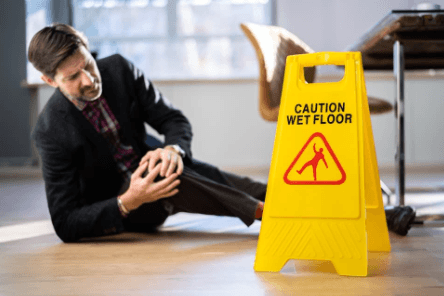

A serious fall on someone else’s property produces a specific kind of legal frustration. The injury is real, the location is clear, and the expectation is that whoever is responsible for maintaining that property will be held accountable. What most injured people discover when the claims process actually begins is that Florida premises liability law requires more than showing that the fall occurred and that the injuries are genuine. It requires establishing that the property owner or business knew or should have known about the dangerous condition before the fall, and failed to address it. That notice element is where the vast majority of slip and fall cases are actually won or lost, and it is the element whose evidence is most time-sensitive and most difficult to establish without prompt action.
Finding a Florida slip and fall lawyer who understands that the surveillance footage showing how long the hazard existed before the fall, and not just the fall itself, is the central evidence in the case is the practical starting point for anyone seriously hurt on another party’s property in this state.
The Notice Requirement and Why Surveillance Footage Is Everything
Florida premises liability law requires either actual notice, meaning the business or property owner knew about the dangerous condition, or constructive notice, meaning the condition existed long enough that a reasonable inspection would have discovered it. In retail, restaurant, and commercial property falls, the surveillance system is almost always the most powerful evidence for either theory. It shows how long the liquid, debris, or uneven surface was present before the fall, whether any employee walked through the area without addressing it, and whether the property’s own inspection schedule was being followed. These systems overwrite on cycles as short as 24 hours, and a preservation demand served the day after a serious fall is often the difference between evidence that exists and evidence that is gone.
Florida’s 51 Percent Bar and What Property Owners Argue
Florida’s reformed comparative fault system applies to premises liability cases exactly as it applies to vehicle accident claims. Property owners defend slip and fall cases by arguing that the injured person was not paying attention, was wearing inappropriate footwear, or was in an area where the hazard should have been obvious. Under the 51 percent elimination bar effective since 2023, these arguments carry higher stakes than they did before: reaching that threshold ends the claim entirely. Documenting the physical conditions at the fall location, the lighting, the absence of warning signs, the specific nature of the hazard, and the surrounding environment is the factual foundation that addresses these arguments before they become the dominant version of the story.
What Florida’s 2023 Reform Changed for Premises Liability Cases
House Bill 837 affected slip and fall claims in Florida in two significant ways beyond the comparative fault threshold change. It also introduced changes to the negligent security premises liability framework and modified the bad faith standards that apply when insurers fail to handle claims properly. For slip and fall victims, the most practically significant change is the reduced statute of limitations from four years to two. Four years felt like a comfortable horizon. Two years, combined with the aggressive early evidence gathering that notice cases require, is a timeline that rewards immediate action and penalizes delay.
Proving the Case When the Property Owner Claims It Was the First They Knew
When a business argues that the dangerous condition had just appeared moments before the fall and that no reasonable inspection would have discovered it, the defense is using the notice requirement as an elimination theory rather than simply as a mitigation argument. Countering it requires evidence beyond the surveillance footage of the fall itself: the employee work logs that document when inspections were supposed to occur, the incident report history showing whether similar conditions had been reported before, and in some cases expert testimony about how long the specific type of hazard typically takes to develop. The Florida Statutes Chapter 768 on negligence and premises liability sets out the legal framework applicable to Florida slip and fall claims, including the notice requirements and the comparative fault standards that govern how these cases are evaluated and resolved.