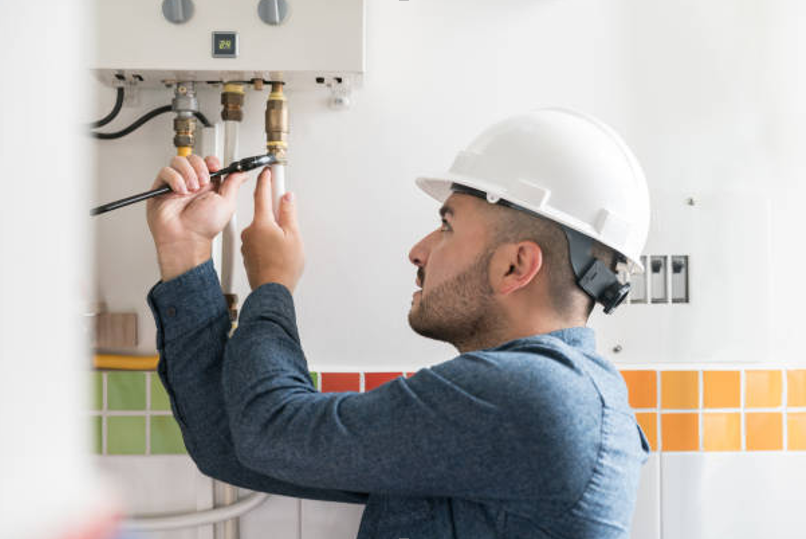

Homeowners face a tough call when their water heater starts acting up. A failing unit creates stress, especially when morning showers turn cold or utility bills spike unexpectedly. The decision between repairing an aging system or investing in a replacement piece can feel overwhelming without clear guidance on what factors matter most.
Making this choice requires looking beyond the immediate problem. When you water heater replace an old unit with a modern system, you’re investing in long-term reliability and efficiency rather than temporary fixes. Understanding the age of your current system, its efficiency rating, and repair history helps determine whether patching the problem makes financial sense or if replacement offers better value.
Understanding Your Water Heater’s Age
The Six-Year Benchmark: Most traditional tank water heaters reach a critical point around six years of operation. Phoenix’s hard water accelerates wear and tear on internal components, causing sediment buildup that reduces efficiency. A unit approaching this age threshold typically shows signs of declining performance even before major failures occur.
The Ten-Year Reality Check: Water heaters rarely perform well past their tenth birthday. While some units limp along for 12 or 15 years, the energy waste and breakdown risk usually outweigh repair savings. Arizona’s extreme heat stresses these systems year-round, unlike milder climates where units might last longer with less demand.
Warranty Considerations: Manufacturers design warranties around expected lifespans, typically offering six to twelve years of coverage. Once a unit exits its warranty period, repair costs become entirely out-of-pocket expenses. This transition point often signals that replacement deserves serious consideration rather than continued repairs.
When Repairs Still Make Sense
Minor Component Failures: Simple fixes like replacing a thermostat or pressure relief valve rarely justify full replacement. These repairs cost a fraction of new installation and can extend system life by several years when the tank itself remains sound. Professional technicians can assess whether the core unit has additional service life remaining.
Young System Breakdowns: A three-year-old water heater experiencing its first problem probably needs repair rather than replacement. Manufacturing defects or installation issues sometimes surface early, but these don’t necessarily indicate a doomed unit. Warranty coverage often handles these early failures at minimal cost to homeowners.
Budget Constraints: Emergency replacements strain household finances, particularly when unexpected. A temporary repair might provide breathing room to save for proper replacement, though homeowners should understand this approach carries risks. The patched system could fail again quickly, potentially causing water damage that exceeds the replacement cost difference.
The Case for Replacement
Efficiency Upgrades: Modern water heaters use 20-30% less energy than units manufactured a decade ago. For Phoenix families running water heaters constantly in hard water conditions, this efficiency gain translates to substantial monthly savings. The energy cost reduction often pays for the new unit within five to seven years.
Tankless Technology Advantages: Switching from traditional tanks to tankless systems eliminates standby heat loss entirely. These units heat water on demand, never running out during back-to-back showers. Phoenix’s endless sunshine also makes solar water heating an attractive option worth exploring during replacement decisions.
Multiple Repair History: A water heater needing its second or third repair in two years sends a clear message about its remaining lifespan. Each service call adds cost while system reliability continues declining. Replacement stops the bleeding of repeated repair expenses and restores dependable hot water delivery.
Calculating True Costs
Beyond Sticker Prices: Repair quotes might seem attractive compared to replacement costs, but smart homeowners calculate total expenses over time. A $400 repair on an eight-year-old unit buys perhaps two years of uncertain service. A $1,200 replacement delivers ten years of reliable performance with warranty protection and lower energy bills.
Energy Waste Factors: Older water heaters work harder to maintain temperature, especially in Phoenix’s climate extremes. The monthly energy premium from an inefficient unit accumulates quickly. Replacement costs look different when energy savings get factored into the equation over the new unit’s expected lifespan.
Emergency vs Planned Replacement: Rushed emergency installations typically cost more than planned replacements. Homeowners lose negotiating power and comparison shopping opportunities when dealing with a failed system. Proactive replacement based on age and condition allows for better decision-making and potentially lower installation costs.
Professional Assessment Value
Expert Diagnosis: Experienced technicians recognize failure patterns that homeowners miss. They can identify whether a repair addresses the root cause or merely postpones inevitable replacement. Their assessment considers factors like tank corrosion, sediment levels, and component wear that aren’t visible during casual inspection.
System Sizing Review: Many homes have incorrectly sized water heaters from previous installations. A professional evaluation determines whether current capacity meets household needs or if upsizing or downsizing makes sense. Phoenix families with growing households might benefit from larger tanks or tankless systems.
Code Compliance Checks: Building codes evolve, and older installations might not meet current safety standards. Professional replacement ensures proper venting, seismic strapping, and thermal expansion tank installation where required. These updates protect homes and families while adding value during future property sales.
See also: Dog Training Center Near Me: 5 Common Behaviour Problems Solved by Pros
Making Your Decision
Several factors should guide your choice between repair and replacement:
- System age relative to expected lifespan – units beyond 8-10 years typically warrant replacement consideration.
- Frequency and cost of previous repairs – multiple service calls suggest declining reliability.
- Current energy efficiency ratings – older models waste significantly more energy monthly.
- Household hot water demands – growing families might need capacity upgrades anyway.
- Available budget and financing options – planned replacement allows for better financial preparation.
- Local water quality impact – Phoenix’s hard water accelerates system deterioration noticeably.
Conclusion
Choosing between water heater repair and replacement requires honest assessment of your system’s condition, age, and performance trends. While repairs might seem economical initially, replacement often delivers better long-term value through improved efficiency, reliability, and peace of mind. Schedule a professional evaluation to understand your specific situation and receive transparent guidance on the most cost-effective path forward for your home.