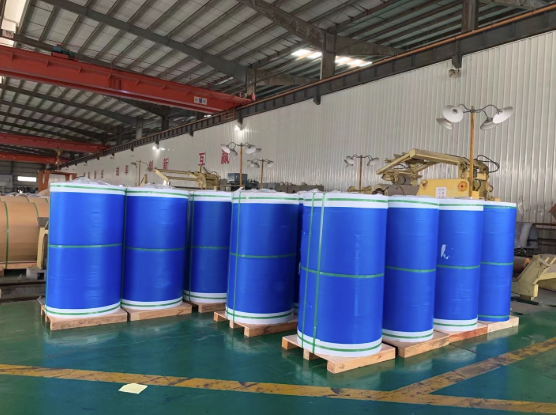

Aluminum coils are widely used in construction, signage, and industrial applications due to their lightweight, durability, and corrosion resistance. Among the various types, PE coated aluminum coil stands out for its protective coating, enhanced performance, and aesthetic appeal. Understanding its properties and applications helps engineers, manufacturers, and designers make informed decisions.
What Is PE Coated Aluminum Coil?
PE coated aluminum coil sheets or coils coated with polyethylene (PE) resin. This protective layer enhances corrosion resistance, prevents surface damage, and provides a smooth finish suitable for further processing or direct application. The coating also allows for vibrant colors and decorative designs.
Key Features of PE Coated Aluminum Coil
- Corrosion Resistant: Protects aluminum from oxidation and environmental wear.
- Lightweight: Easy to handle, transport, and install.
- Smooth Finish: Ideal for painting, printing, or laminating.
- Durable: Withstands outdoor exposure, moisture, and chemical influences.
- Versatile: Suitable for building cladding, signage, roofing, and decorative panels.
Advantages of PE Coated Aluminum Coil
Using PE coated aluminum coil offers several benefits:
- Enhanced Durability: The PE coating extends the lifespan of aluminum by protecting it from corrosion.
- Aesthetic Appeal: Smooth, glossy, or matte finishes allow for creative designs and vibrant colors.
- Lightweight and Strong: Offers excellent strength-to-weight ratio for structural and decorative applications.
- Easy Fabrication: Can be cut, bent, or processed without damaging the coating.
- Cost-Effective: Reduces maintenance and replacement costs due to enhanced protection.
Common Applications of PE Coated Aluminum Coil
- Architectural Cladding: Exterior panels for buildings, facades, and interiors.
- Signage: Durable base for printed or vinyl signs.
- Roofing and Siding: Lightweight and corrosion-resistant material for long-lasting protection.
- Transportation: Panels in vehicles, ships, and trains.
- Industrial Use: Protective surfaces, equipment panels, and decorative elements.
PE Coated vs PVDF Coated Aluminum Coil
| Feature | PE Coated Aluminum Coil | PVDF Coated Aluminum Coil |
|---|---|---|
| Durability | Moderate to High | High |
| UV Resistance | Moderate | Excellent |
| Color Retention | Good | Excellent |
| Cost | Lower | Higher |
| Applications | General construction, signage | High-end architectural projects |
Tips for Using PE Coated Aluminum Coil
- Proper Storage: Keep in dry conditions and avoid scratches on the coated surface.
- Surface Cleaning: Use mild detergents to maintain smooth finish and appearance.
- Correct Installation: Ensure proper alignment and avoid bending beyond the recommended limits.
See also: Shampoo Bed Price: Finding the Best Value for Your Salon
- Avoid Harsh Chemicals: Strong acids or alkalis can damage the PE coating.
FAQs About PE Coated Aluminum Coil
1. Is PE coated aluminum coil suitable for outdoor use?
Yes, it provides corrosion resistance and can withstand moisture and environmental exposure, though prolonged UV exposure may affect color retention.
2. How is PE coated aluminum different from PVDF coated aluminum?
PE coated aluminum is more cost-effective but has moderate UV resistance, whereas PVDF coated aluminum offers superior durability, color retention, and weather resistance.
3. What are the main applications of PE coated aluminum coil?
It is widely used in building cladding, signage, roofing, transportation panels, and decorative or industrial applications.
Conclusion
PE coated aluminum coil is a versatile, durable, and aesthetically appealing material suitable for construction, signage, and industrial projects. Its protective coating ensures corrosion resistance and extended lifespan while maintaining lightweight and strong structural properties. Selecting high-quality PE coated aluminum coil guarantees durability, cost-effectiveness, and design flexibility. For trusted suppliers and detailed specifications, explore this resource to make informed material decisions for your projects.