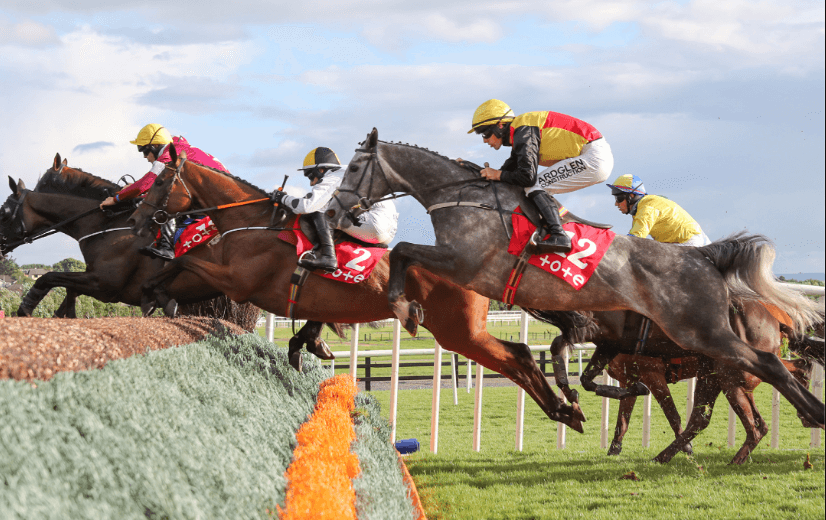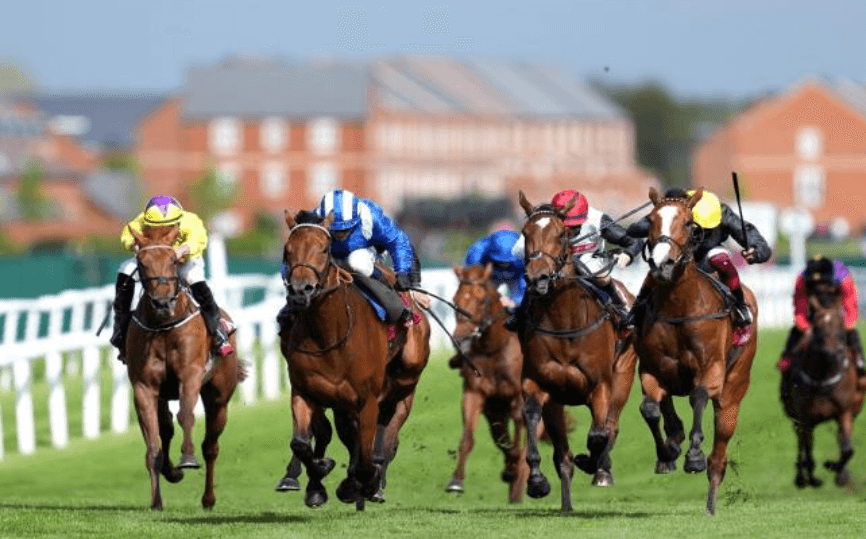

Racecourse design plays a critical role in the world of horse racing, influencing both the performance of the horses and the enjoyment of the spectators. Elements such as track surface and layout are pivotal in determining race dynamics and safety. As racecourses evolve, their designs reflect advances in technology and changing audience expectations. This raises important questions about how these factors intertwine and what they mean for the future of the sport.
The Evolution of Racecourse Design
The design of racecourses has undergone significant transformation since its inception, reflecting changes in both technology and societal preferences.
Historical influences, such as the grandeur of classical architecture, paved the way for contemporary designs that prioritize spectator experience and safety.
Architectural trends now incorporate sustainability and advanced materials, showcasing an evolution that marries tradition with innovation, ultimately enhancing the allure of horse racing.
Key Elements of Racecourse Layout
While designing a racecourse, several key elements must be carefully considered to create an optimal layout that enhances both racing performance and spectator enjoyment.
Track dimensions play a crucial role, influencing the speed and dynamics of the race.
Additionally, the choice of surface materials affects traction and comfort for the horses, ensuring a balance between performance and safety for all participants involved in the event.
Impact on Horse Performance and Safety
Racecourse design significantly influences both horse performance and safety, shaping the overall experience for participants and spectators alike.
The choice of track surface affects a horse’s speed and stride, while effective safety measures—such as adequate cushioning and proper drainage—minimize injury risks.
Consequently, a well-designed racecourse can enhance competitive outcomes and ensure a safer environment for both horses and jockeys, promoting the sport’s integrity.
The Spectator Experience and Engagement
Spectator engagement at horse racing events is a vital aspect that enhances the overall atmosphere and enjoyment of the sport.
Optimal racecourse design prioritizes spectator amenities and diverse viewing angles, allowing fans to immerse themselves in the excitement.
Conclusion
In the grand tapestry of horse racing, racecourse design serves as both the canvas and the brush, shaping the vivid strokes of performance and spectator delight. As tracks evolve, intertwining innovation with tradition, they create a harmonious symphony where horses gallop with grace and fans revel in the thrill. Ultimately, a well-designed racecourse transforms mere competition into an exhilarating spectacle, where every lap resonates with excitement and every corner holds the promise of unforgettable moments.