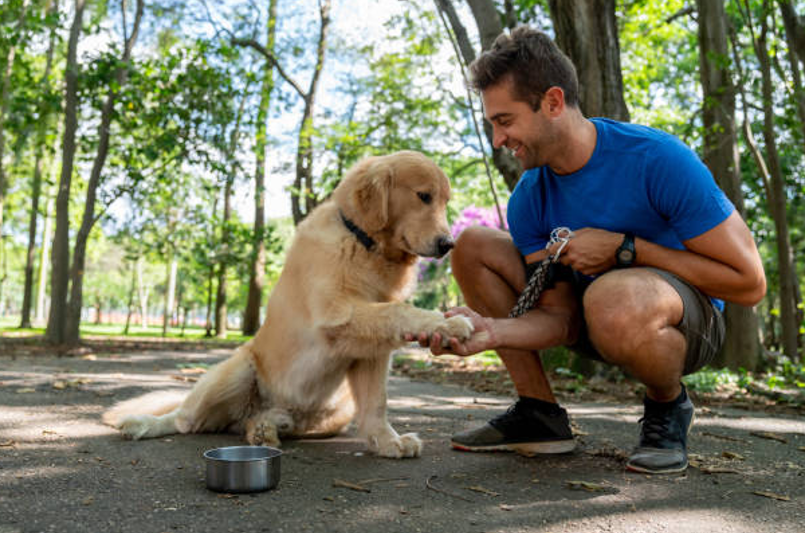

Urban pet parents often find themselves overwhelmed when their beloved dogs develop challenging behaviours that disrupt daily life. From incessant barking at every sound to pulling relentlessly on the lead, these issues can strain the bond between you and your furry companion. Many owners attempt home remedies and online tutorials, only to find themselves stuck in frustrating cycles that yield minimal progress.
Professional intervention becomes essential when behaviour problems persist despite your best efforts. Searching for a dog training center near me in the city of Bangalore connects you with certified trainers who understand canine psychology and employ structured methods to address underlying causes. Rather than simply suppressing symptoms, expert trainers identify triggers and create customised programmes that produce lasting change.
Leash Pulling That Turns Every Walk Into a Battle
Constant Tension on the Lead: Dogs naturally want to explore their surrounding environment at their own pace, which often means pulling ahead whilst you struggle to maintain control. This behaviour stems from excitement, lack of impulse control, or insufficient early training around lead manners. In Bangalore’s busy streets filled with traffic noise and distractions, the problem intensifies as your dog reacts to every stimulus with forward momentum.
Structured Lead Training Protocols: Professional trainers introduce positive reinforcement techniques that reward your dog for walking calmly beside you rather than punishing their pulling behaviour. Through systematic desensitisation to urban distractions and consistent reinforcement of desired positions, trainers help your dog understand that staying near you yields better outcomes. The process requires patience and timing precision that experienced professionals deliver effectively.
Excessive Jumping on Guests and Family
Attention-Seeking Through Physical Contact: Jumping represents your dog’s attempt to engage with people at face level, a natural greeting behaviour amongst canines that translates poorly in human homes. Whilst the behaviour seems harmless with puppies, it becomes problematic as dogs grow larger and stronger. Guests feel uncomfortable, children get knocked over, and your dog remains confused about appropriate greeting manners.
Impulse Control Foundation Building: Trainers teach alternative greeting behaviours through controlled scenarios where your dog learns that sitting calmly earns attention whilst jumping results in people turning away. This requires consistency that professional settings provide better than typical households where different family members apply varying rules. The training builds impulse control that extends beyond greeting scenarios into overall behaviour management.
Separation Anxiety and Destructive Behaviour
Panic Response to Being Alone: Many dogs experience genuine distress when left alone, exhibiting behaviours ranging from excessive barking to destructive chewing and inappropriate elimination. This anxiety stems from insecure attachment, previous abandonment trauma, or insufficient independence training during critical development periods. Pet parents often struggle to differentiate between true anxiety and boredom-driven mischief, applying incorrect interventions that worsen problems.
Gradual Desensitisation Programmes: Professional trainers implement systematic protocols that slowly build your dog’s confidence in your return. Beginning with micro-separations of mere seconds and gradually extending duration, trainers help your dog learn that departures always end in reunions. This counter-conditioning process pairs your absence with positive experiences, fundamentally shifting your dog’s emotional response to being alone.
Professional training centres equip pet parents with practical strategies to manage separation anxiety effectively:
- Environmental enrichment tools: Puzzle feeders, interactive toys, and treat-dispensing games keep your dog mentally stimulated during alone time, reducing focus on your absence.
- Calming background elements: Soft music or white noise machines mask startling sounds from outside that might trigger anxiety responses in sensitive dogs.
- Health assessment protocols: Trainers help identify whether underlying medical conditions contribute to anxious behaviours, ensuring proper veterinary attention when needed.
- Departure routine modifications: Establishing calm, predictable leaving patterns rather than emotional goodbyes helps your dog view departures as routine events.
See also: Horse Racing and the Importance of Proper Horse Health
Aggression Towards Other Dogs
Fear-Based Reactive Responses: Dog-directed aggression often roots in fear rather than dominance, despite common misconceptions. Your dog may have experienced negative encounters during critical socialisation windows or lacks confidence in reading canine body language. In dense urban areas where unexpected dog encounters happen frequently, this reactivity makes walks stressful and limits quality of life.
Controlled Socialisation Exposure: Professional training facilities provide safe, controlled environments where your dog can interact with carefully selected canine partners. Trainers read subtle body language cues that pet parents miss, intervening before situations escalate whilst allowing positive interactions to build confidence. This supervised exposure differs from random park encounters that often reinforce problematic patterns.
Excessive Barking at Sounds and Movement
Heightened Alert Systems: Some dogs develop hypersensitivity to environmental stimuli, barking at every passing vehicle, doorbell ring, or bird flying past windows. This behaviour stems from territorial instincts, insufficient mental stimulation, or learned patterns where barking successfully drives away perceived threats. In apartment settings common throughout Bangalore, this creates tension with neighbours and disrupts household peace.
Alternative Behaviour Chains: Rather than simply suppressing barking, trainers teach your dog productive alternatives like going to a designated mat or bringing a toy when they hear concerning sounds. These replacement behaviours give your dog an acceptable outlet for their alert instincts whilst reducing noise disruption. The training builds new neural pathways that become stronger than old patterns.
Conclusion
Professional dog training addresses behaviour problems at their roots rather than applying superficial fixes that fail under real-world pressure. Whether struggling with lead pulling, jumping, separation anxiety, dog reactivity, or excessive barking, qualified trainers bring systematic approaches that produce measurable progress where home attempts stall. Consider scheduling a consultation with certified trainers who can assess your specific situation and create a structured programme tailored to your dog’s needs.