
Android users value flexibility, customization, and control over how content fits into their daily routines. Unlike desktop workflows, mobile usage is often fragmentedshort sessions between tasks, commuting time, or multitasking. Because of this, audio conversion on Android is less about technical complexity and more about seamless integration into everyday habits.
Mobile-First Thinking: Simplicity Over Features
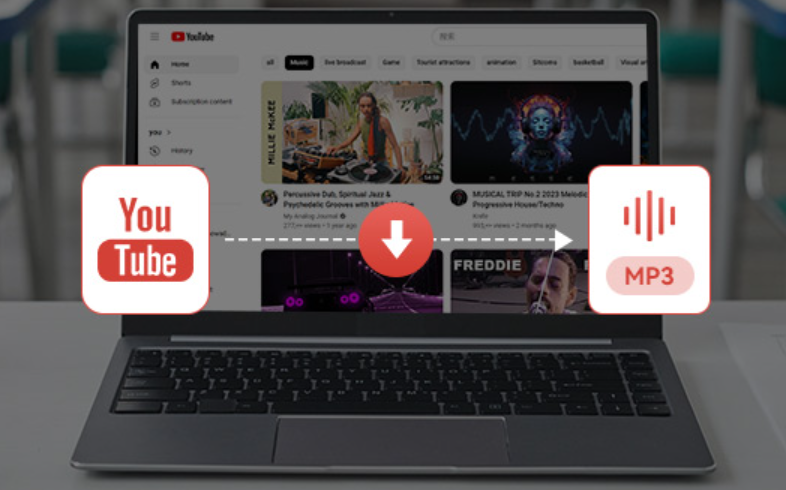
On Android, the most effective audio workflows prioritize clarity and minimal interaction. Users typically want to move from discovery to listening with as few steps as possible. An easy YouTube to audio conversion process aligns with this behaviour by reducing friction and allowing users to focus on content rather than controls.
How Android Multitasking Shapes Usage
Android devices are designed for multitaskingsplit screens, background playback, and notification-driven interactions. Audio files fit naturally into this ecosystem. Converted audio can be queued alongside podcasts, voice notes, or lectures, making listening feel native rather than forced.
See also: Technology in Global Communication
File Organization Matters on Android
Unlike some mobile ecosystems, Android exposes file systems more openly. This gives users greater freedom to organize audio by folders, categories, or use cases. Conversion becomes part of a larger personal content management strategy rather than a one-off action.
Listening Without Visual Dependency
Audio removes the need to keep a screen active or focused. For Android users who frequently switch between apps, audio-based content allows continued engagement while navigating messages, maps, or productivity tools. This behavioural shift is one reason easy YouTube to audio conversion resonates strongly with mobile-first users.
Supporting Different Content Types
Android users convert a wide range of contentnot just music. Talks, interviews, study material, and spoken explanations all translate well into audio. This diversity shapes expectations: users want reliability across different audio styles, not just songs.
Accessibility and Personal Control
Audio content enhances accessibility for users who prefer listening over reading or watching. Android’s built-in accessibility toolssuch as text-to-speech controls and playback speed adjustmentspair naturally with audio files, expanding how content is consumed.
Short Sessions, Long-Term Value
Mobile usage often happens in short bursts, but the value of converted audio extends over time. Once audio is part of a personal library, it becomes reusable—during workouts, travel, or focused work sessions—without requiring repeated interaction.
Android Customization Culture
Android users are accustomed to tailoring their devices. Audio conversion fits into this culture of personalization, allowing users to shape content consumption around their preferences instead of adapting to rigid formats.
Why Android Is Ideal for Audio-Centric Content
The Android ecosystem encourages modular useapps, files, and workflows that work together. Audio fits naturally into this design philosophy, making conversion a practical extension of how Android users already interact with digital media.
A Mobile-Centric Perspective
For Android users, a YouTube to MP3 convertor isn’t just a toolit’s part of a flexible, audio-first lifestyle. When the process is intuitive and aligned with mobile behaviour, it enhances how content is discovered, organized, and enjoyed.