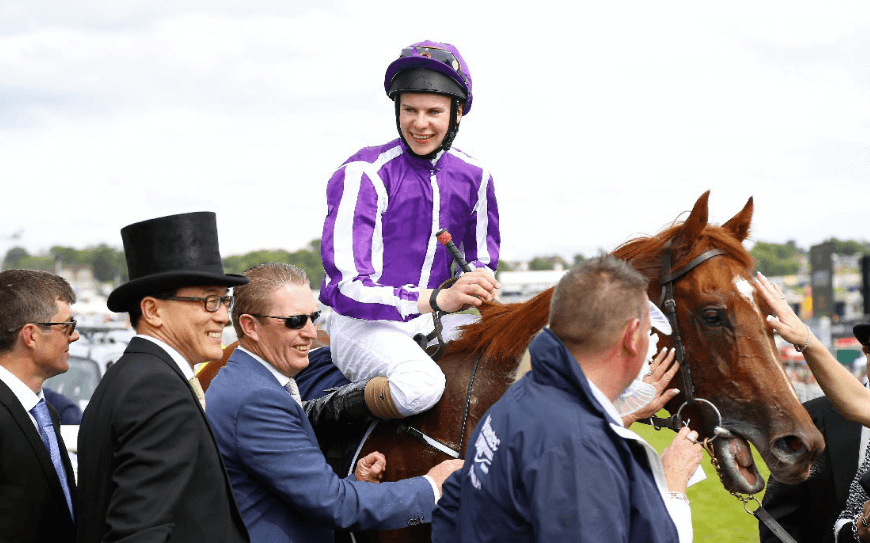

Horse racing demands considerable physical and mental resilience from equine athletes. Maintaining proper horse health is paramount for optimal performance. A balanced diet, regular veterinary check-ups, and structured training enhance a horse’s vitality. Additionally, effective recovery methods post-race play a crucial role in sustaining their fitness. Understanding the intricacies of these practices reveals their profound impact on both the horses and the integrity of the racing industry, prompting further exploration into best practices for equine care.
The Role of Nutrition in Horse Health
Nutrition plays a pivotal role in maintaining the overall health and well-being of horses, as it directly influences their physical condition, energy levels, and longevity.
Proper feed composition ensures that horses receive essential nutrients, while effective hydration strategies are crucial for optimal performance and recovery.
Together, these elements foster vitality and promote a sense of freedom, allowing horses to thrive in their environments.
Importance of Regular Veterinary Care
Maintaining optimal health in horses involves more than just proper nutrition; regular veterinary care is equally vital.
Routine check-ups ensure early detection of health issues, allowing for effective preventive measures.
Equine vaccinations play a crucial role in safeguarding horses from diseases, promoting longevity and performance.
See also: Horse Racing and the Impact of Racecourse Design
Training Regimens and Their Impact on Well-Being
While many factors contribute to a horse’s overall well-being, the training regimen adopted by owners significantly influences both physical health and mental stability.
Effective training techniques and thoughtfully designed exercise routines promote strength, flexibility, and endurance, fostering a positive environment.
Balancing rigorous training with adequate rest ensures that horses remain energetic yet relaxed, ultimately enhancing their performance and overall quality of life.
Recovery and Post-Race Care for Horses
After an intensive training regimen or a competitive race, a horse’s recovery is paramount to its continued health and performance.
Implementing effective cool down techniques, such as walking and stretching, aids in muscle recovery and promotes relaxation.
Additionally, focused post-race care is essential for injury prevention, ensuring that horses remain fit and free to thrive in their subsequent endeavors.
Conclusion
In conclusion, prioritizing horse health through proper nutrition, regular veterinary care, and effective training is imperative for optimal performance in racing. For instance, a racehorse named Silver Wind, after a tailored diet and a structured recovery program, significantly reduced its injury rate and improved race times, demonstrating the profound impact of comprehensive horse care. By committing to these practices, the racing industry can ensure the well-being of its equine athletes, fostering both their success and longevity in the sport.