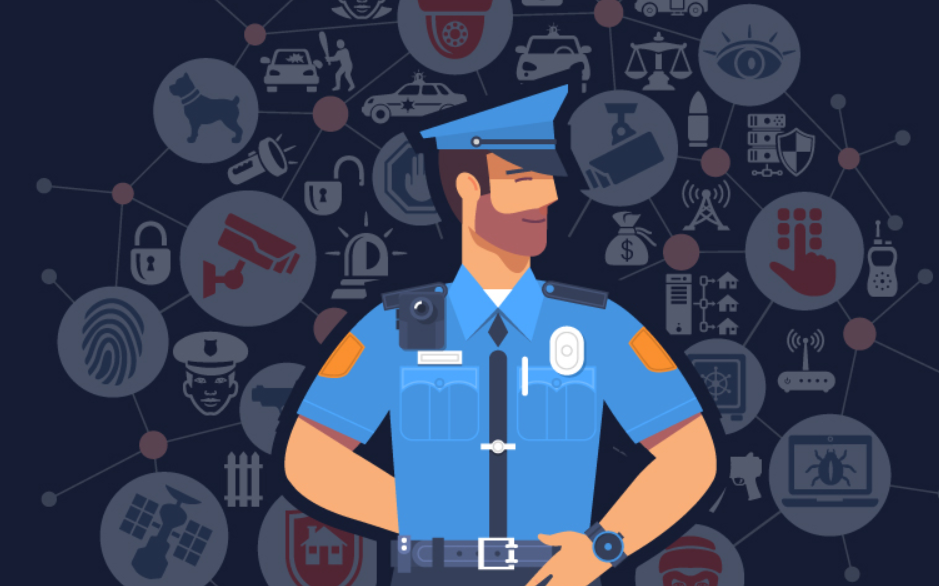

Technology has significantly transformed law enforcement practices. Advanced tools such as body cameras and predictive analytics enhance accountability and operational efficiency. However, these innovations also introduce complex issues related to privacy and ethical considerations. As agencies increasingly adopt these technologies, the balance between public safety and civil liberties becomes crucial. This ongoing evolution raises important questions about the implications for society and the future of policing. What challenges lie ahead in this dynamic landscape?
The Benefits of Advanced Technology in Policing
How has advanced technology transformed the landscape of policing?
Body cameras have enhanced accountability and transparency, providing objective evidence in interactions between law enforcement and the public.
Meanwhile, predictive analytics empowers police departments to allocate resources efficiently, anticipate criminal activity, and implement proactive measures.
Together, these innovations foster a more informed and responsive policing environment, ultimately promoting public safety and community trust.
See also: Technology in Global Finance
Challenges and Concerns Surrounding Law Enforcement Tech
While advanced technology has significantly enhanced various aspects of policing, it has also raised a host of challenges and concerns that warrant careful examination.
Privacy issues arise as surveillance tools collect extensive data, leading to accountability concerns regarding misuse.
Additionally, the ethical implications of algorithmic decision-making challenge fairness, while data security remains critical, as breaches could expose sensitive information, further undermining public trust.
Case Studies: Successful Implementation of Technology
Numerous law enforcement agencies have successfully integrated technology to enhance their operational efficiency and public safety outcomes.
For instance, the deployment of body cameras has increased transparency and accountability, fostering trust within communities.
Additionally, predictive policing algorithms have enabled agencies to allocate resources more effectively, anticipating crime hotspots and reducing incidents.
These implementations demonstrate technology’s potential to transform law enforcement practices positively.
The Future of Technology in Law Enforcement
As law enforcement agencies continue to adopt technology, the future promises even more innovative advancements that could reshape policing practices.
Predictive analytics may enhance crime prevention strategies, enabling officers to allocate resources more effectively.
Additionally, advancements in facial recognition technology could streamline suspect identification processes, though they raise important ethical considerations regarding privacy and civil liberties, necessitating a balanced approach to implementation.
Conclusion
In conclusion, the integration of technology in law enforcement presents both opportunities and challenges. While advanced tools enhance accountability and operational efficiency, they also raise significant concerns regarding privacy and ethical implications. Balancing the benefits of innovation with the protection of civil liberties is crucial. As law enforcement continues to evolve, the commitment to transparency, the pursuit of public trust, and the safeguarding of individual rights must remain parallel priorities, shaping a future where technology serves justice rather than undermines it.